Tuesday, 19 April 2016

Tips for Stopping Bad Breath from your Family Dentist

Bad BreathIf you have bad breath, your family dentist can help. Bad breath is a common problem that can impact people of all ages. Whether you are healthy and in shape, or sick, you can be plagued with stale or foul smelling breath. Gum, mints, and mouthwash are common ways to freshen your breath and mask the smell, but they don't solve the root of the issue.

Halitosis (severe bad breath) can impact people to such a degree that it hurts self-confidence and makes them embarrassed to speak to people in general or in a confined area like a car. Even children can suffer from halitosis, making teenage years even more difficult than they already are.

As a family dentist, we treat patients of all ages and have multiple ways to treat bad breath and help your family to stay in optimal oral health.  Follow these tips to improve your breath now and in the long run.

Stop smoking. If you are a smoker, plaque is being deposited onto your tongue, gums, and teeth. This increases your risk of cavities and gum disease along with bad breath.  Stop smoking to instantly improve your breath.

Avoid garlic and other strong foods. There are certain foods that will leave a lingering smell in your mouth for the entire day, garlic is one of them.  If you notice that your breath is particularly bad after eating a certain dish, adjust your eating habits by removing that ingredient from the recipe.

Brush after meals. Instead of brushing twice a day, brush after every meal.  Use a soft toothbrush and be gentle so as not to irritate your gums. Even light, quick brushing can help to remove bad breath caused by the food you just ate. Brush regularly before bed and when waking up in the morning.

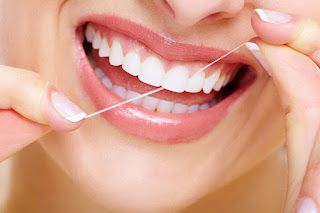
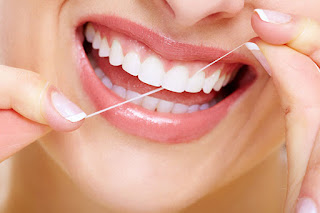
Floss your teeth. Food particles, bacteria, and plaque can build up in between your teeth and along your gum line. These are more difficult to remove with brushing alone and are often left to sit inside of your mouth for weeks, or however long it takes to floss again.  When you do floss, you may notice a terrible smell on your floss and fingers. That is a sign that you are not flossing enough. Do this every day.

Use an antiseptic mouthwash. Rinse your mouth at least once a day with an antiseptic mouthwash. This will kill lingering bacteria that can cause a smell or infection.

Scrape your tongue. Bacteria can linger on your tongue, and a toothbrush is often unable to remove all of it. This can directly cause bad breath so use a tongue scraper once a day to remove bacteria and the smell.

Drink water. Stay hydrated so that your body produces enough saliva to keep your mouth moist and to wash away bacteria.

Visit the dentist. It is important that you see your family dentist at least twice a year for teeth cleanings and checkups. We can remove plaque, tartar, and bacteria from your teeth and gums so that you stay healthy, avoid gum disease, and tooth decay.

Follow these tips and schedule your teeth cleaning in order to prevent bad breath so that you can speak with confidence.

  >  

Friday, 1 April 2016

Ouch! If You Have Tooth Pain Call an Emergency Dentist

Emergency DentistYou never know when you will need an emergency dentist. A dental emergency, as with any health emergency can strike at any time and without warning. For some people, they will feel a moderate level of pain that all of a sudden escalates into unbearable tooth pain. For others, they need an emergency dentist after being in an accident. Regardless of when or why you need a dentist, we are available to help.

Two common reasons for needing an emergency dentist are injuring a tooth while playing sports or getting into an accident. According to the American Dental Association, the majority of adult tooth injuries are due to playing sports. Most adults don't have the time to play in an organized league so the likelihood of your tooth getting injured during a neighborhood game of basketball is actually fairly high. You can reduce your risk by keeping your teeth healthy in the first place or wearing a mouth guard while you play.

If your tooth was injured in a car accident or on the job, there typically isn't much you can do to prevent it. Scheduling regular dental exams and teeth cleanings will help your teeth to be healthy enough to withstand damage but there is no guarantee that your tooth won't become cracked, chipped, or even fall out during an accident. If this happens to you after business hours or on the weekend, you need to call a 24-hour dentist.

Many people make the mistake of thinking that the emergency room staff can treat tooth injuries. They can't and don't because they are trained in how to treat the rest of your body, but not in how to treat your teeth. This is why you need to visit a doctor of dentistry, not just a medical doctor. In fact, if you go to the ER, they will direct you to an emergency dentist instead.As a 24-hour dentist, you can call us at any time day or night.

We can provide the immediate relief you need when the pain becomes unbearable or restore your tooth after an accident. If your tooth has fallen out it is extremely important to see a dentist right away because we may be able to save it. Waiting until the morning is not an option when you are trying to do so. Instead, find your tooth, rinse it off and put it into a glass of milk. Once you get to our office, we will see if the tooth can be saved. If not, we will make other recommendations for replacing it such as installing a dental bridge or dental implants.

Likewise, if your tooth is in major pain, you can call our dentist office. We will examine your mouth and determine the reason you are experiencing pain before making treatment recommendations. By restoring your damaged tooth or treating an infection, we can correct your dental problems and help you to feel better in no time.

  >  

Monday, 21 March 2016

How Dental Implants are Placed in the Jawbone

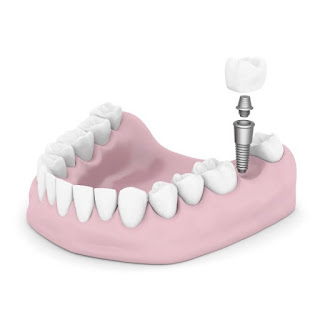
Dental ImplantsMost people know dental implants are tiny prosthetics that are used to create a new fake tooth. Few people, outside of patients who have received one, are aware of just how great a dental implant can be. For starters, dental implants are based on a simple grounding philosophy. Since the root of the tooth is the grounding for the tooth, the dental implants we use provide the same level of strength and security to the new dental crown that we place over them. Additionally, the root has a very important and symbiotic relationship with your jawbone, which works to help in stabilizing the tooth itself. Our tiny titanium implants mimic this relationship perfectly. What this does for you is it creates a circumstance where your new fake tooth is strongly grounded in an implant that is literally a perfect non-biological imitation of your root. As such you can eat anything that you would normally eat, without fear of causing unnecessary damage to your new implant or crown. This also means that you do not have to engage in special cleaning activities. Simply brush your teeth, and floss, like you would normally do and the new tooth will also get clean.

Did you know that dental implants come in two different types? Most people, even those who have dental implants, are usually not aware of this fact. There are two types of dental implants because in order for a traditional dental implant to be successful there is a prerequisite for the jawbone to be healthy. The jawbone and the dental implant have a symbiotic relationship, which means the jawbone has to have sufficient density, or bone mass, to sustain and support the implant. We will typically find this out during our initial consultations and examinations, where we will take x-rays. If your jawbone can sustain an implant, we will use the traditional implant. Also known as an Endosteal implant, this implant is a cylindrical shaped device, often a screw, made of titanium. It is inserted directly into the jawbone for maximum stability and to ensure the relationship between the two.

For other patients, however, they may not have the jaw bone density that is required to place an Endosteal implant. In cases like this the patient, you, have one of the two choices. You can have reconstructive surgery on the jaw to make it stronger and able to withstand and support the implant. The other option, for those that do not want to or cannot undergo reconstructive surgery, is to use an implant known as a Subperiosteal implant. A Subperiosteal implant functions much the same way as an Endosteal implant, with one notable exception. A Subperiosteal implant is placed into the gum but not into the jawbone. It is placed on top of, or slightly above the jawbone itself. This provides the security and stability that the dental crown needs, without putting added pressure on the already weakened jawbone. The initial examination will tell us what kind of implant you need, and we can make sure you have all the information you need to make a decision.

  >  

Tuesday, 1 March 2016

Dental Veneers Fast Facts That You Should Know

Dental VeneersBefore you get dental veneers, you may be interested in learning more about this great dental service. When it comes to covering flaws, veneers are a wonderful product that creates amazing results. You will be impressed with how much better your teeth will look once you have your veneers placed. Veneers can cover many dental flaws with minimal effort. For a few more important and quick facts about them, continue reading.

  • A veneer is a very thin, normally porcelain shell that is adhered to the fronts of your teeth to cover flaws. 
  • Dental veneers can cover and improve shaping and contouring issues, discoloration or spotting, chips or gaps, misaligned or crooked teeth, awkward lengths, and a variety of other imperfections.
  • Veneers are normally made of porcelain or composite materials depending on your specific needs. 
  • Before your veneers are placed, we will gently etch the surface enamel of your teeth to create a better base for the adhesive. Once your enamel is prepared, we will adhere temporary veneers while your new ones are created in the lab.  Once ready,  the dental veneers will be bonded to your teeth with a long-lasting dental glue.
  • Veneers normally last 15-20 years, sometimes longer. This length will range depending how well you care for your veneers and your surrounding gums and teeth. 
  • They can be easily replaced if they become damaged or worn. 
  • Dental veneers can be placed in as little as one dental visit or as many as three visits depending on what type of veneers you choose. 
  • Before we can place your veneers, you will need to have a dental check up and allow us to fix any cavities and remove any dangerous infections. 
  • The veneers placement is a minimally invasive and highly effective cosmetic solution. 
  • You should not get veneers if your teeth are still developing or if you are suffering from ongoing periodontal disease. 
  • Dental veneers are customized to fit only your teeth and improve the exact flaws you discuss with us. 
  • Veneers are very natural looking and not easily scratched, stained, or damaged.
  • The veneers procedure is not reversible unless you plan to have another cosmetic or restorative procedure completed to cover your vulnerable teeth due to the removal of enamel before veneers are placed. 
  • Regular flossing and brushing can be done once your veneers are placed. No extra care outside of the avoidance of biting your fingernails or grinding your teeth is required. 
  • Normally local anesthetic application is all the pain relief that is needed for a veneers placement. You will not experience discomfort during the procedure.
  • The cost range of veneers varies depending on the location of treatment and severity of dental imperfections. 
  • Dental veneers from our office should blend in perfectly with your other teeth. 

Now that you have learned some fast facts about how convenient, efficient, and affordable veneers are, we hope you consider visiting our office to learn more. The benefits of dental veneers are endless, and the results are attractive and natural looking. For all your dental veneer needs, we can help.

  >  

Friday, 26 February 2016

Learn Why an Implant Dentist Uses Titanium Posts

Dental ImplantsAs an implant dentist, we can replace your missing teeth.  Dental implants have been around since the first man or woman, decided that they were tired of losing teeth. They took a hammer and the materials available around them and crafted the first replacements. Usually made of bone or shells, these “implants” were hammered into the jawbone in the place of the lost tooth. Since this time, we definitely have made improvements to the way we perform dental implant surgery.  However, the idea of keeping all our teeth has endured. In fact, it has grown into a passion and a profession for dentists around the world.

Today's implant dentist has the advantage of another material, found in our surroundings, which allow people to have long lasting beautify replacements to natural teeth. Titanium is a metal that has many uses. For one, NASA uses it to build space ships, while TaylorMade designs state of the art golf clubs with it. For an implants dentist, titanium has given us the ability to craft dental implants that can, under the right circumstances, last as long as 30 years. It is no accident that we use titanium in the majority of our implants, having discovered that titanium has a unique quality that helps the body accept the replacement root.

Known as Osseointegration, titanium can form a bond with the jawbone in a completely unique way and without the need for connective soft tissue. Once the implant is completed, and healed, the titanium screw, which makes up the implant, and the jawbone form a unique and symbiotic relationship that is good for both the jaw and for the implant. The jaw for its part accepts the implant as a replacement for the removed root and begins to heal around it. Providing strength and stability for the implant, the jawbone treats the titanium screw exactly as though it were a natural biological root. For its part, the titanium screw also behaves much the same way as a natural biological root by encouraging the jaw bone to grow and develop along a natural trajectory.

Aside from Osseointegration, titanium has a number of other qualities that make it perfect for creating dental implants. For one, titanium is an extremely strong but equally light material. When you consider that dental implants are placed in the mouth, it is important for the substance used to be lightweight so as to not put undue pressure on the mouth muscles. Secondly, people depend on a strong bite. The average person has the ability to exert around 200lbs of pressure per square inch with their natural teeth. This allows us to bite through most foods and effectively start the digestive process. Studies have shown that dental implants, with titanium, gives the patient exactly the same amount of bite pressure and has little to no impact on their lifestyle. A strong, resilient, and lightweight material makes titanium priceless in the fight for perfect teeth and the choice of an implant dentist.


  >  

Monday, 1 February 2016

Questions You Should Ask Yourself Before a Cosmetic Dentistry Appointment

Cosmetic DentistryCosmetic dentistry is an excellent way to improve your smile, transforming imperfections into beautiful teeth.  With so many treatment options and a world of possibilities it is important to narrow down what your goals and objectives are before meeting with the dentist.  This will ensure that you can clearly articulate what you want to accomplish.

When scheduling an appointment with our office, we recommend that you have your teeth cleaned and examined at the same time.  This way we can help to keep your teeth healthy and be sure that there are no lingering health issues that need to be addressed prior to starting any cosmetic work.  Once the examination is complete, pull out your list of notes and let us know what you don't like about your smile.

Before your appointment consider the following:

How much time do you have available?  Any type of dental work comes with a time commitment.  Whether it is one appointment or five, we need to know how much time you have available along with if you are on a deadline. For example, if you are getting married in six months we will want to know about it so that all of your treatments can be scheduled accordingly.  This may influence which treatments we recommend.  Simultaneously, if it is hard for you to take time off of work we will want to know so that we can look for appointment times that would work for you and allow for recovery over the weekend.  There is no right or wrong answer; we just need the information to plan accordingly.

How white do you want your teeth?  It is important for you to feel comfortable with your teeth.  In our cosmetic dentistry office, we need to know how white you want your teeth to get.  Whether completing a teeth whitening procedure or applying dental veneers or crowns, we need to know the shade you are comfortable with so that they can be created accordingly.

What don't you like about your smile?  Come with a list of the things that you would improve if you could.  This should be as specific as possible so that we can be sure to address each issue.  For example, “I don't like my smile” makes it difficult to provide treatment recommendations.  On the other hand, “I don't like the gaps in between my teeth or their color” is easy to understand and to identify treatment solutions.  We can easily see what issues are preventing your smile from looking perfect, but it is unnecessary to treat something that isn't bothering you.

Do you like the appearance of your gums?  Many people suffer from a gummy smile where too much of their gum tissue shows for comfort.  Others struggle with a receding gum line.  We can help you with both problems and need to know how you feel about your gums.

Our cosmetic dentistry office has a plethora of options for treating your teeth and correcting any imperfections in your smile.  By coming prepared to discuss what you want, we can make more thorough treatment recommendations.

  >  

Tuesday, 26 January 2016

Tooth Loss and the Need for Dentures

DenturesAs a dentures dentist, we know that few people ever consider life after losing teeth. Even fewer considered life with dentures. In fact in a recent survey more than 60% of the responders stated that they had never even considered or given serious thought to dentures. Most people are confident about the quality and health of their teeth. With over 97% of people now brushing their teeth at least once per day, it is understandable why so many people feel like they will never lose a tooth.  While avoiding tooth loss is a great goal to work towards, most adults will experience some tooth loss in their lifetime. For example, you might be surprised to learn that around 20 million women, over the age of 40, wear dentures in the United States today. According to the Journal of Prosthetic Dentistry, the number of people that will be wearing complete dentures will be around 37.9 million by 2020. While we strongly encourage all of our patients to take good care of their teeth, be careful what they bite down on and have a healthier diet, we also know that sometimes DNA or age just catches up with you.

Preventing tooth loss -

Nobody suddenly needs dentures one morning. You will, almost, never wake up one morning with a gaping hole in your teeth and needing to come see the dentist for dentures. Instead, the way it usually works is that there are underlying symptoms, which people tend to ignore. Your body will tell you if you have an infection or gum disease, and give you the opportunity to come see us and have us fix the problem before it leads to tooth loss. Naturally the best way to avoid ever getting to that place is to be part of the 53% of Americans that make it a habit to visit the dentist at least twice each year. When you do this, we have an opportunity to catch any underlying problems before they fester too long and become severe. In between appointments, or if you are part of the 48% that doesn't visit us regularly, there are a few signs to look for that may indicate an infection or diseases that require medical attention.

One of the most common, and often ignored, signs of gum disease is a loosening of teeth. Your teeth were never meant to be loose and when they start to shift inside your mouth of their own accord, this is an indicator of a deeper problem. Another indicator of gum disease is a toothache. While people do get toothaches from eating too much sweet, if you cannot control the toothache with over the counter medication, if it lasts longer than a day or two, or if it comes back frequently this could be an indicator of a deeper infection or gum disease. Since gum disease is a leading cause of tooth loss, these symptoms require immediate dental care.

While we will try to prevent tooth loss, if you do lose a tooth - we can help.  We can create a comfortable set of dentures that will look natural and function perfectly, allowing you to smile with confidence.

  >  

Friday, 1 January 2016

Why You Should See an Invisalign Dentist

Invisalign Dentist
An experienced Invisalign dentist can transform your smile into something straight and beautiful, without anyone knowing you are having a dental procedure completed. The best thing about this process is that your teeth can be straightened using a clear device that is unnoticeable and inconspicuous. This is ideal for busy professionals, teens, or those concerned over how metal braces could impact their appearance.

In order to determine if you are a good candidate for the procedure, schedule a dental exam and consultation. Our team of professionals will evaluate your teeth, gums, and jaw to determine if Invisalign will accomplish the goals that you have for your smile and your dental health. Patients that have a misaligned jaw may still need traditional metal braces in order to correct it.

The Process

An Invisalign dentist will create a treatment plan that takes you from where your teeth are today to completely straight and gorgeous, using clear aligners.  An aligner looks like a clear retainer. It completely surrounds your teeth, and patients are typically provided one for both the upper and lower teeth. To start, a mold will be taken of your mouth.  In the lab, aligners will be produced for your entire treatment plan. Each aligner takes your teeth one step closer to being straight.

At home, you will switch out the aligner every couple of weeks. This will keep your teeth moving in the right direction, without requiring constant visits to the orthodontist. Since this is done on your own time, scheduling follow up appointments becomes much easier.

The aligner is supposed to be worn for around 22 hours a day.  This leaves time to enjoy a special dinner out, brush your teeth, and eat your favorite caramel apple. One of the benefits of Invisalign is that you have the freedom to take the aligner out, instead of being stuck with braces regardless of the occasion. In addition, your teeth will look straighter throughout the process, helping your appearance to improve immediately.

While you are straightening your teeth, it is important to practice good oral health care at home.  Brush your teeth twice a day, use floss, and an antiseptic mouthwash to kill bacteria. You can also brush your aligner with a soft toothbrush and toothpaste. Visit your Invisalign dentist for regular teeth cleanings to remove any additional bacteria that may form in your mouth. This will help to prevent cavities and gum disease while keeping your teeth healthy for the procedure.  Since the aligner is replaced every couple of weeks there is less risk of it carrying infection causing bacteria, as well.

An Invisalign dentist can do wonders for your smile and help you to look positively radiant.  As your teeth continue to straighten, you will notice changes and improvements to your appearance.  We also recommend that patients have their teeth whitened as part of their big reveal. We offer professional teeth whitening services that can whiten your smile by up to eight shades. Once the process is complete, you will be delighted with your bright, straight smile.

Friday, 18 December 2015

Get the Facts About Dental Veneers and How They Are Used

Dental Veneers
What are dental veneers?

Dental veneers are some of the most versatile tools we have when it comes to correcting defects in your teeth. Dental veneers, also known as ceramic or porcelain veneers, are extremely thin pieces of porcelain that we use to replace the damaged enamel on your teeth. The reason dental veneers are so effective is their thinness. Being paper thin, these veneers take on many of the same qualities as naturally occurring enamel. They are extremely hard, which gives you a long-term solution when your enamel has become damaged. They are also extremely brittle, just like enamel, and so you will need to protect your teeth the same way you would protect natural teeth. Being extremely malleable, veneers can be molded to fix a variety of problems with the teeth.

Do dental veneers work for everyone?

Dental veneers are an extremely versatile solution, and in most cases can be used by anyone. For us to make sure that you are an excellent candidate for dental veneers, we will schedule an initial consultation and also a first examination. During your examination, we will make sure that your mouth is in excellent condition and primed to replace your enamel with the veneers. If we find any issues that might become a problem later on in the process, we will work on solutions so that your dental veneers placement is seamless. On rare occasions, during this initial examination, we will find that there are people who cannot get dental veneers and for them we will explore other potential solutions to damaged teeth.

How are dental veneers attached?

As soon as we know that you are an excellent candidate to receive dental veneers, we can proceed to the next step. This step involves selecting the color and shade that you want for your veneers. We will have your veneers custom made to fit your needs, including the shade that you choose from.  That information will along with an impression of your teeth will be sent to a dental lab for the final veneers to be created.  In the meantime, we will prepare your tooth by removing a portion of your enamel to make sure that the veneers fit flat against the rest of your tooth. Typically this is only a few millimeters but it allows the veneer to fit flush with the tooth.  We will then place a temporary veneer on top of it.

Once we have the permanent veneers, we will fit them to your tooth. After making sure that the color is right, we will make any slight adjustments so that the veneer fits the tooth perfectly. We will also check to make sure that your bite is not affected, and once all the elements are perfectly in sync we will cement the dental veneers to your teeth.

What problems do dental veneers fix?

Dental veneers can fix a whole range of challenges. They are an extremely durable and versatile solution. We use them extensively to fix minor breaks, cracks, and chips in teeth. It is often preferable to use veneers over other procedures like dental crowns because veneers only require a small portion of your enamel to be removed. Veneers are also used for cosmetic fixes like making your teeth whiter, straightening them, and correcting minor bite and placement issues.

Tuesday, 1 December 2015

Dental Implants

Dental Implants
More people are getting dental implants than ever before. This is because people around the country have discovered that they do not have to live with the stigma of tooth loss. Tooth loss can be extremely traumatic for some people, especially when the tooth loss happens at a young age. Dealing with the embarrassment is compounded by the fact that tooth loss forces people to make lifestyle changes, including how they eat and speak. With dental implants, you do not have to deal with those kinds of changes.

There are numerous technologies and methods for dealing with tooth loss. However, none are as advanced as dental implants. While dentures and bridges address the fundamental problem, which is a missing tooth, they do nothing to brace the tooth or to address the root of the problem. This means that these solutions have to be adhered to the surface of the mouth somehow, typically with wires or dental cement. On the other hand, dental implants focus their attention on the root. In fact, a dental implant is a tiny titanium screw that is placed into the jawbone, taking the place of a natural tooth’s root. This provides a strong and stable platform under the gum line, which then allows us to place a dental crown, or tooth, on top of the abutment.

Getting dental implants is a lot simpler than it used to be a few years ago. Simultaneously, science continues to dispel some of the popular myths that surround dental implants. For the longest time people have been looking at dental implants, and elsewhere around the country, as a purely aesthetic endeavor. This is an understandable misconception. When you get a dental implant, you are going to be getting a perfect tooth that is almost an identical replica of your original one. There are no wires holding it in place, so all you have is a new tooth. In fact, we can give you a tooth, or teeth, that look far better than your original ones.  Naturally this perfection has led to the idea that all we care about is the aesthetics. Nothing could be further from the truth, and science is starting to show this. We know, for example, that when you use a dental implant to replace a lost tooth, the implants acts like a naturally occurring root. It creates a symbiotic relationship with the jawbone, which in turn allows the jawbone to receive stimulation from the prosthetic. This helps the jaw to avoid resorption and also keeps the facial structure from a potential collapse.

There are already 3 million people across the nation that have gotten dental implants. What we know is that the rate of dental implants is increasing annually, but that there are a lot of people still using antiquated technology. In our dentist office, we encourage every one of the 15 million Americans that are using bridges or dentures to consider switching to get the best looking, most effective, longest lasting tooth replacement available today.

Monday, 23 November 2015

The Convenience of Visiting a Family Dentist

Family DentistThe idea of a family dentist is one that closely mimics the idea of a family general practitioner or doctor. Its success is also very similar because it relies on the same trust and relationship that family doctors and a family dentist have in common. We understand that nobody ever really wants to go in to see either a doctor or a family dentist. Humans have an intrinsic discomfort with medical procedures, especially when it involves you. On the other hand, the families who come in on a regular basis to visit the family dentist find that the procedures they need are routine, with the maintenance helping to prevent emergency dental needs. At the same time, families who come in together often hold each other more accountable to keeping their oral hygiene routines, which means they have better cared for teeth overall. There are numerous benefits to having a family dentist.

From our perspective, the trust and relationship we have with families, often generations of families, plays a tremendous role in the work we are able to do for them. Think about it from the perspective of a child. When a child goes in to see the dentist or the doctor, they are in an uncomfortable and unfamiliar environment most of the time. There are strange sounds and smells, equipment that needs to be put in their mouth, and the dreaded dentist chair. All of this can cause a child and most adults to have a level of anxiety. On the other hand, when a child is coming in to see the family dentist, it is typically someone they are familiar with, having been to the office with a family member before. The friendly face of the family dentist can help to ease some of those fears, and people instinctively trust a doctor who has already treated other family members. This easing of fears goes a long way in helping with diagnoses and getting procedures done with as little fuss as possible.

From a purely convenience standpoint, there is nothing convenient about having to take multiple members of a family to different appointments. Juggling the timing, along with work and school schedules, as well as finding the right providers can be a hassle. At the family dentist clinic, we know how hard this can be, and so have two simple ways to make your life easier. First, we can have all the major family dentist procedures done right here at our family dentist clinic. Whether you need an x-ray or an extraction, braces or dentures, whatever the needs of your family, we can do them in one place. The only exception is extremely specialized work, in which case, we will help you find the best provider. The second thing we have done is to help streamline our scheduling so we can accommodate families. If we can get the entire family in and maximize your time by combining appointments, we know that we will not only save you time and effort, but that you are far more likely to come in together.

  >  

Monday, 2 November 2015

Your Holiday Pictures Will Sparkle With Help From Our Teeth Whitening Procedure

Teeth WhiteningAs the holidays are approaching, call our office to schedule a teeth whitening procedure. This is one of the easiest ways to improve the appearance of your smile. It can turn your dull teeth into spectacular ones, restore your youthful appearance, and get you ready to smile for hours of family photos. If you are like most families, there's always that one family member capturing every moment. Each of these pictures and moments will be special, so it is important to look and feel your very best. After all, these are the images that will grace your hallway and photo albums for decades to come.

For most people, preparing for the holidays involves finding the right sweater or dress, finding that old family recipe, getting their hair done, and preparing for all of those interesting holiday moments. Taking care of your teeth should also be at the top of your list because your teeth make a major impact in your appearance. We suggest that you visit us for a teeth cleaning and dental exam so we can remove the plaque making your teeth appear dirty or stained. We can also ensure that you do not have any cavities or infections and treat them if you do. Afterward, we can whiten your teeth so the stains are removed, and they are transformed from a dull shade of yellow to brilliant white.

Our teeth whitening procedure is better than what you can buy in the store.

Once you decide to whiten your teeth, you should take steps to ensure the procedure is successful. While it is easy to walk down the drugstore aisle and select a whitening kit, there are risks involved with this. To start, this portion of the industry is unregulated. That means there is no set consistency among the products you can buy. You could try a whitening kit that barely brightens your teeth, one that works decently, or one that works well. The problem is, you may not know how it will work before you buy it. As a dentist, we are trained medical professionals, and all of our teeth whitening procedures produce dramatic results. There is no guesswork involved when visiting our office, and with limited time to prepare for the holidays, you can rest assured that your smile will be beautiful.

Another reason our procedure works better is because our solution is professional-grade. It is designed to penetrate the enamel so the process of oxidization begins. This is where the molecules inside of your teeth change to reflect less light and appear colorless. As a result, your smile will look bright and white. What you buy in the store will not work as well, because it is typically designed to remove surface stains only. This can help, but your teeth may still look yellow.

We can help you look amazing in time for the holidays, so call and schedule your teeth whitening today.

  >  

Tuesday, 27 October 2015

Call Us if You Need an Emergency Dentist

Emergency DentistAs an emergency dentist, we understand that it is impossible to control when you will have a dental emergency.  Even those who are fastidious about oral health can still end up in a car wreck, hurt while playing sports, slip and fall down, etc., all of which can lead to a damaged tooth and dental emergency.  In fact, according to the National Fall Safety Institute slip and falls account for 9 million trips to the emergency room every year.  With that in mind, you truly never know when you may need emergency dentist care.  Fortunately, we are here when you do.  Regardless of how you hurt yourself or how damaged your teeth are, give us a call.  If we do not answer, we will get back to you right away so that you can receive the dental care that you need.

Solutions Offered by an Emergency Dentist

As an emergency dentist, we offer extended hours that are far beyond what you can find with a traditional dentist.  Many local dentists restrict their hours of operation to Monday through Thursday from 9 am to 5 pm.  While this works for many people, it can make it difficult for those with busy work schedules or a dental emergency to get the care that they need.  As a result, many people seek dental care from the emergency room of a local hospital.  This is unwise because general physicians are not trained in how to diagnose or treat dental problems.  They can triage the problem and provide medication, but that's it.  This leads to repeat visits because the health issue is never actually addressed.  When you visit our dental office, your experience will be entirely different.  Even though we are available 24 hours a day, we still provide the same comprehensive dental care that you can receive during normal business hours.  This means that we can examine your teeth, take x-rays, diagnose the problem and provide you with immediate care.  If you have damaged your tooth, we may restore it with a bonding procedure, dental veneers, or dental crowns.  If you have lost a tooth, we can try to save it or provide you with a denture, dental bridge, or dental implant as a replacement solution.  Finally, if your tooth is infected, we can typically save it by performing a root canal.

When you visit our dental office, you can be confident knowing that you will receive the highest quality of dental care from a team of experts.  We are equipped to handle whatever your dental needs may be.

Tips for Staying Healthy

If you want to decrease the chance that you will ever need an emergency dentist, it is important to take care of your teeth and gums. While you cannot prevent most accidents, if you play sports you can decrease your risk for getting injured.  We recommend that you wear a mouthguard while playing or practicing sports so that your teeth will not be damaged if hit.  Simultaneously, if you receive ongoing dental care, the chance of you developing a sudden toothache will also be reduced.

  >  

Friday, 2 October 2015

Braces vs Going to an Invisalign Dentist

Invisalign Dentist
If you are considering whether to get braces vs going to an Invisalign dentist, you are already on the road to getting straight teeth and a beautiful smile. During a consultation in our office, we can examine your teeth and let you know what we feel will be the most effective treatment solution for moving your teeth and bite into alignment.  In the meantime, if you are comparing the pros and cons of each, here is what you need to know.

Effectiveness: Braces vs Invisalign®
If you are looking for a solution that is the most effective, braces and Invisalign® can both accomplish the goal of moving your teeth and bite into alignment.  As an Invisalign Dentist, we will say that if your bite is severely misaligned, for example, a major overbite, traditional metal braces might be your best option and we will recommend a course of action that may include seeing an orthodontist.  This is because a variety of oral appliances and solutions like rubber bands can be used to move the jaw into alignment during the course of the treatment.  If you are simply looking to straighten your teeth, both solutions should work quite well.

Convenience: Braces vs Invisalign®
As an Invisalign Dentist, we know that wearing clear aligners is typically far more convenient than wearing traditional metal braces.  This is one area where Invisalign® really shines.  When your teeth are being straightened using aligners, they are designed to come out when you eat, drink and brush your teeth.  That means that you will not need to worry about anything getting stuck in between your teeth or the embarrassment that is associated with that.  Since the Invisalign® aligners come out, you can even remove them to go on a date, make a presentation at work, attend a wedding, etc.  This makes it possible to look like a better version of yourself while going through the process of straightening your teeth.  The only time where this would be inconvenient is if you had a job that would make it difficult to remove the aligners when eating, in which case, traditional braces may be a preferred option.

Treatment Time: Braces vs Invisalign®
When comparing treatment times, they should be relatively the same.  As an Invisalign dentist, we know that the average treatment time is 12 to 18 months and the average treatment time for adult braces is also 18 months.  With that in mind, you should select the solution that you are the most comfortable wearing.  During your examination and consultation, we will provide you with specifics regarding your personalized treatment plan and timeline.

Children's Orthodontist: Braces vs Invisalign®
If you are looking for a solution to straighten your child's teeth, they need to wear traditional metal braces.  We understand that a lot of our young patients would like to straighten their teeth using aligners but this is not a viable solution for them. While they might not qualify for cosmetic braces, they can have fun with their braces treatment by letting them select their favorite color of rubber bands every time that their wires are adjusted.


  >  

Monday, 21 September 2015

The Cosmetic Dentist And Cosmetic Dentistry Health Benefits

Cosmetic DentistThe first cosmetic dentist trip you make will be an exciting time, almost as exciting as when you will leave with a much-improved smile. People come in to see the cosmetic dentist because they know we have the techniques and treatments that can help make your teeth absolutely spectacular, such as dental veneers. In the modern world, the cosmetic dentist has a great deal of latitude and tools like dental veneers to help you have the teeth you want, so there is really no reason why a person has to suffer with crooked, misaligned, or even stained teeth. Often, we get patients coming in who are worried about the overall condition of their mouth and concerned they will not be able to get some of the treatments we offer, like dental veneers. As a cosmetic dentist, we know there are a few issues that can cause you to be ineligible for cosmetic treatments; however, we also know that the vast majority of these issues can be treated and dealt with quickly, which will then allow you to proceed with getting your better-looking smile.

When we do a procedure that involves any level of permanence – like dental veneers, which require us to shave away a portion of your tooth enamel in order to properly place them – we will always start the process with a comprehensive examination. This examination is to detect underlying problems that could cause unnecessary complications unless we address them before starting you down the road with cosmetic treatments. More often than not, patients who have some kind of challenge find that the solutions are not complicated, but must be done with the overall health and oral well-being of your teeth in mind. Once we have cleared up whatever this underlying problem is, we can start doing what we as a cosmetic dentist love to do, which is improving your teeth. Since we are determined to not only give you a smile you will love but also give you a smile that will stand the test of time, we want to start out with a clean bill of health and a mouth free of any additional challenges.

The most common reasons why your cosmetic dentist may call a pause when treating your mouth are decay and infections. With decay, there is the element of aggressive bacteria that has already caused your teeth to lose some of its enamel. We do not want to place a cosmetic solution into a situation where the bacteria might spread and damage your new tooth. As such, we will remove the cavity, clean out the bacteria, and then fill it with a tooth-colored filling. In the case of an infection, it almost speaks for itself. We cannot do any procedure that may require exposing any part of the tooth or gums if there is an active infection in the mouth. This could lead to the infection spreading, which is what we do not want. So we need to treat the infection with antibiotics or other remedies before proceeding.

  >  

Wednesday, 2 September 2015

The Dental Implant Procedure: How an Implant Dentist Can Replace Your Dentures

Implant DentistAs an implant dentist, we speak with many patients who are frustrated over loose or ill-fitting dentures. Medical technology has improved greatly over the past couple of decades. Dentures are fitting better and looking more natural than ever before, but they are still a removable prosthetic. Since they are designed to come out, there is no way for them to provide the same degree of stability a natural tooth would, and as a result, they can become loose more easily, leading to unwanted frustration and inconvenience during mealtime or when engaged in high-impact activities. For some people, this is not an issue, but for others, this can seriously impact their quality of life. This is where we can help.

As an implant dentist, we can replace your teeth in a way that is entirely durable and secure. An implant is the only solution for tooth loss that replaces both your root and the visible tooth. As a result, it functions like a natural tooth would, providing you with the security you require in order to eat all of your favorite foods, run a marathon, or sing in the choir without worrying about your teeth.

Here is how it works:

When you visit us for an examination, we will inspect your gums and take x-rays to determine if you have enough bone density to begin the procedure. If not, we may recommend alternatives, like performing a bone graft first or using a different type of implant procedure. Once we are certain you are healthy enough to get started, we will schedule an appointment for implant surgery. We are skilled at completing this procedure in a way that is as comfortable as possible. You will receive anesthesia and be relaxed during the procedure. We will implant a titanium post under your gums and secure it to the jawbone in each spot you lost a tooth. The procedure can take a couple of hours though it depends on how many teeth are being replaced. We can give you an exact time frame when you visit our implant dentist office for a consultation.

After the procedure, you will feel sore and experience some swelling. This can be managed by using an ice pack and taking ibuprofen. For a few days, you will need to be careful to only eat soft foods and not irritate the surgical site. Afterward, your gums will begin to heal, and you should feel better. It will take a couple of months for the process of osseointegration to take place. You will not feel it happening, but inside your mouth, your jawbone, and the titanium post will be fusing together. This is what makes an implant so secure. The bone provides the same level of stability to the implant that it would to a natural root. The new tooth will then stimulate the jawbone, so it is a symbiotic relationship. Once complete, we will attach the new tooth (dental crown), and you will be able to enjoy all of the benefits that come with a secure, full set of natural-looking teeth. To learn more about this process, call our implant dentist office and schedule a consultation.

  >